
There is a narrow window each autumn when Europe’s wine country shifts from quiet vineyard scenery into full-throttle harvest energy. Cellars hum, grapes arrive by the crate, and winemakers race against the weather to bring in the vintage. A wine harvest break puts you right in the middle of it – picking grapes in the morning, tasting new juice by afternoon, and sitting down to a regional dinner as the sun drops behind the vines. Here is everything you need to plan that trip for 2026.
KEY TAKEAWAYS
Wine harvest breaks in 2026 centre on hands-on grape harvest experiences, relaxed wine tasting, and scenic walking holidays through Europe’s most celebrated wine regions. The season is shifting earlier than ever, so preparation matters.

WHAT IS A WINE HARVEST BREAK IN 2026?
A wine harvest break is a short holiday—usually three to seven nights—timed to coincide with the grape harvest in working vineyards. Unlike standard wine tours, these breaks focus on the seasonal energy of busy wineries where you might hand-pick grapes, join a guided tasting, and enjoy relaxed evenings in wine villages.
Bud break marks the start of the growing season when grapevines wake from winter dormancy, buds swell, and shoots appear. A well-timed bud break supports balanced vine growth and higher quality wines—the very wines you’ll taste on your trip. Popular 2026 destinations include the Douro Valley, Rioja, Bordeaux (with Saint Émilion), and the Moselle, with options in Tuscany and French Champagne regions. These trips suit both beginners and enthusiasts eager to learn about grapes and terroirs.
WHEN AND WHERE: HARVEST TIMING IN EUROPE’S WINE REGIONS
Harvest dates shift every year depending on weather, but 2026 has been marked by unusually early grape phenology across western Europe. The timing of bud break influences the quality and yield of the resulting wine, and an early bud break can lengthen the growing season but increases vulnerability to weather anomalies. Buds opened during bud break are vulnerable to cold spring frosts, and uniformity of ripening can be affected by erratic weather conditions during that critical window.
Here are the likely 2026 harvest periods by key wine region:
Useful tips:
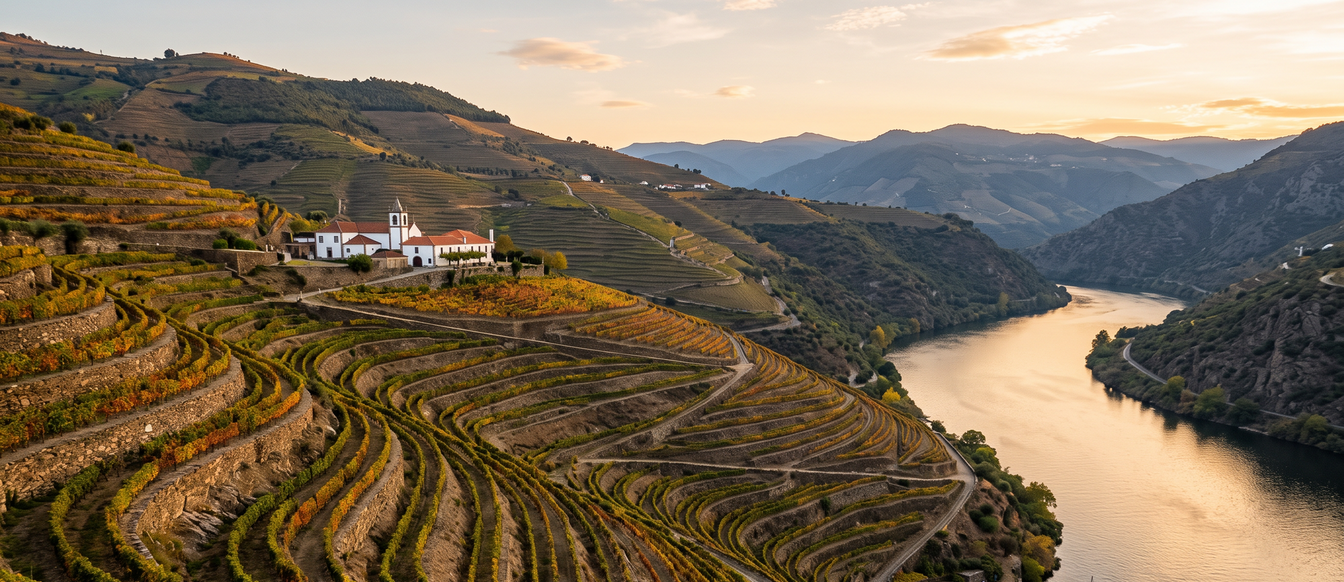
DOURO VALLEY & DOURO RIVER: HARVEST ON TERRACED SLOPES
Picture golden terraces carved into hillside rock above the Douro River, workers moving between rows of vines under a warm September sky, and traditional lagares where grapes may still be foot-trodden into wine. The Douro Valley is a UNESCO World Heritage Site recognised specifically for its wine production, and it has a long history of producing world class wine – most famously port.
Portugal produces half of the world’s cork – a fact you will discover firsthand when you visit local wineries and watch bottles being sealed. Elsewhere in the country, Portugal’s Adega de Palmela offers harvest participation in September for travellers who want to explore beyond the Douro.
Top hotels in Douro Valley:
RIOJA & NORTHERN SPAIN: FESTIVALS AND VINEYARD WALKS
Rioja is Spain’s classic red wine region along the Ebro river, with renowned harvest celebrations in historic towns like Logroño and Haro. Spain has the most land under vine globally, and the craft of Rioja winemakers stretches back centuries. In 2026, La Rioja Alta called this the earliest harvest in their history, driven by exceptional heat and minimal rainfall.
Harvest breaks can help maintain optimal grape ripeness levels and enhance wine quality – and the festival atmosphere makes every glass taste even better.
Top hotels in Rioja:

SAINT EMILION & BORDEAUX WINE TOURS: RIGHT BANK HARVEST CHARM
Saint Émilion is a favourite base for Bordeaux wine tours during harvest. Medieval towers and limestone facades line narrow streets, Merlot vineyards press right up against the village edge, and day trips into the wider Bordeaux wine region are easy. France’s Bordeaux region is known for sophisticated Cabernet Sauvignon, and in 2026 white grapes were harvested as early as 6 August – roughly three to four weeks ahead of historical averages. The ban des vendanges marks the official start of the grape harvest in France, a tradition with deep roots in wine culture.
Stay in Bordeaux city for broader cultural options or directly in Saint Emilion for a quieter, village-based wine tasting holiday. Either way, you will eat well, drink famously, and discover why this region sets the standard for luxury wine tours.
Top hotels in Bordeaux & Saint Emilion:
MOSELLE & RHINE: GENTLE WALKING HOLIDAYS AMONG STEEP VINES
Germany’s Moselle wine region is defined by steep slopes dropping toward the river, Riesling vines clinging to slate, and small family wineries that still hand-harvest every bunch. In Luxembourg’s stretch of the Moselle, private winemakers began harvesting as early as late August in 2026 – a record.
Lower temperatures here help preserve freshness and acidity in harvested grapes – a defining trait of Moselle Riesling. Breaks during grape harvesting help reduce heat exposure and prevent quality loss, while taking breaks during grape harvest improves worker performance and grape handling on those precarious steep slopes. Adequate rest periods during harvest reduce damage to grapes from rushed handling, and harvest breaks in wine production often occur due to weather-related issues or logistical needs. Pair Moselle tastings with local food such as flammkuchen and river fish – the aromas of cool-climate wines complement regional cuisine in a way that may surprise you.
Top hotels in Moselle:
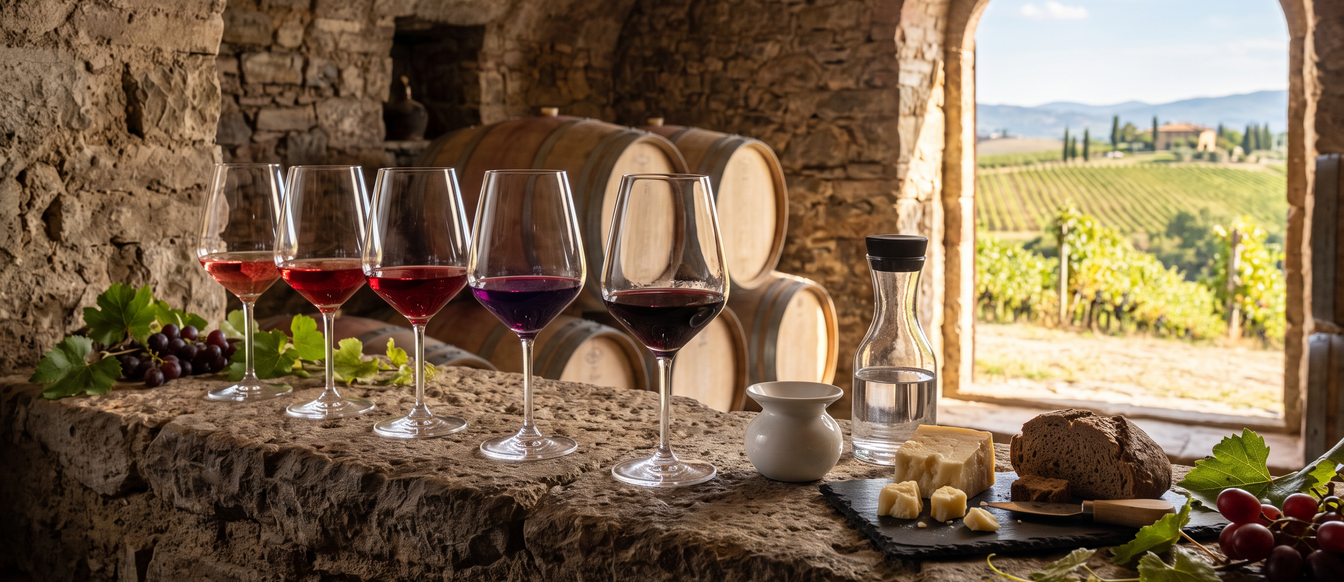
DESIGNING YOUR IDEAL WINE HARVEST ITINERARY
Decide first whether you prefer a single-region deep dive or a multi-region route. A focused Bordeaux wine tour lets you explore terroir differences across appellations, while a Douro-plus-Rioja combination gives you two countries and two wine cultures in one trip.
PRACTICAL TIPS FOR BOOKING WINE HARVEST BREAKS 2026
Check 2026 grape harvest dates and availability early in the year, especially for boutique wine estates and small-group wine tours.

WHAT TO EXPECT DAY BY DAY ON A HARVEST BREAK
A typical day mixes outdoor vineyard time, cellar exploration, wine tasting, and regional food at a relaxed pace. Breakfast at a quinta, morning in the vines, lunch with locals, afternoon cellar visit, evening dinner with wine pairings – that is the rhythm.
Group sizes on organised wine tours typically run eight to sixteen people. Physical activity is moderate – no prior wine knowledge needed. Guides help interpret styles and wine region differences during structured tastings. Evenings feature relaxed dinners: port-paired dishes in Peso da Régua, tapas and Rioja in Logroño’s old town, or produce-driven menus in Bordeaux.
WHAT TO PACK AND HOW TO PREPARE
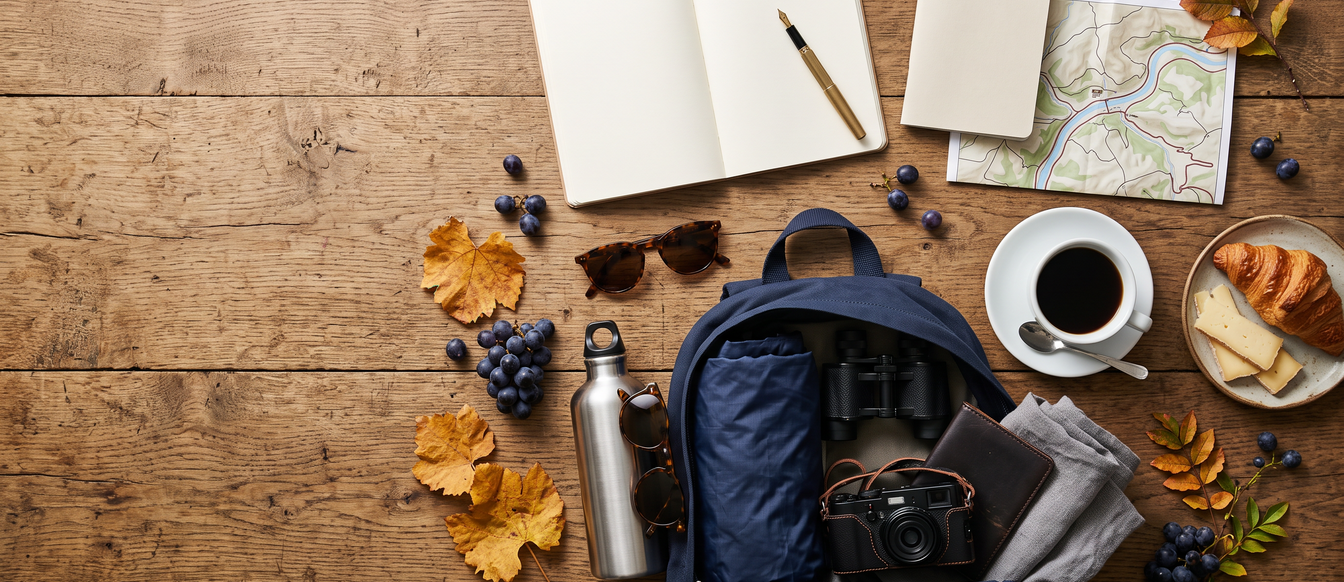
Preparing well for vineyard terrain and changeable autumn weather will make your 2026 harvest break far more comfortable.
Most 2026 wine harvest breaks welcome beginners warmly. Guides introduce concepts like grape varieties, vintage, and terroir in plain language. Tastings start with simple side-by-side comparisons – you are never expected to judge wines, only to discover what you enjoy in the glass and produce your own preferences over the course of the trip.
Absolutely. The scenery, walking holidays, cultural visits, and food elements of any wine region are rewarding on their own. Most tastings can offer grape juice or soft-drink alternatives. Check with tour providers in advance to confirm non-alcoholic options and whether reduced tasting prices are available.
Policies vary by region and estate. Some family-run vineyards in the Moselle or rural Rioja welcome children for outdoor activities but restrict cellar access. Confirm minimum age requirements for grape picking, cellar tours, and wine tasting rooms before booking.
Mid-range trips average €200–350 per person per day (excluding flights) in Douro and Rioja. Bordeaux commands €300–500 per day during peak harvest weeks. Staying in village guesthouses and eating at local bistros rather than fine-dining establishments keeps costs down without sacrificing authenticity.
For popular wine regions like Douro Valley, Rioja, Saint Emilion, and the Moselle, booking six to nine months ahead is sensible – especially for late-September and early-October dates. Small wine estates often cap harvest visitor numbers, so secure your place by early spring 2026 wherever possible. Start planning now, and your 2026 harvest break will be the trip that every future holiday is measured against.

Save up to £20 🎉 Haussmann building near Notre Dame ❤️

Save up to £15 💰 Brasserie dining, Tagus views up top 🍷

Save up to £20 🤑 Spa, casino and Dereboyu on foot 🪷

Save up to £20 🔥 Short walk to Hyde Park and Paddington 🚆
