

Save up to £20 ✨ Design rooms between Montmartre & Opéra 💖

Contemporary Suresnes rooms a tram ride from central Paris 💖

Save up to £50 💰 Historic Left Bank address since 1943 💖

A 1930s building on a calm cul-de-sac in the 14th 🗝️

Save up to £15 🎉 Steps from Marché Saint-Quentin 💖

Save up to £20 💰 Garden-set rooms by Gare du Nord 🌿

Save up to £15 💰 Cinémathèque Française a short stroll away 🥐

Indoor pool, sauna and jacuzzi on the Clichy doorstep 💖

Save up to £15 💰 Rooftop bar with Sacré-Cœur views 🍸

Save up to £20 🎉 Renovated townhouse near Grands Boulevards 🥂

Save up to £20 🎉 Seine-side stay near Beaugrenelle 🥐

Save up to £20 ✨ Romantic Paris stay near Rue Cremieux 🌹

Save up to £20 💸 Heated pool near Bastille and Marais 🥐

Save up to £20 🔥 Renovated townhouse, 30 unique rooms 💖

Save up to £20 💰 Pac-Man-themed rooms near the Seine 💖

Save up to £20 🎉 Steps from La Cigale and Le Trianon 💖

Save up to £20 ✨ Steps from Place de Catalogne 🥐

Save up to £20 🔥 Riverside romance near Accor Arena 💖

Between Bois de Vincennes and Bercy on avenue Daumesnil 🥐

Chic Rive Gauche stay near Luxembourg 🥐

Charming rooms near the Opéra with access to top attractions🗼

Save up to £40 ✨ Cosy rooms and easy city access 🏙️

Chic interiors, cosy rooms and great transport access

Central Paris stay with easy transport and comfortable rooms

Intimate luxury hotel with a sensual spa near Montmartre

Modern boutique rooms in a calm district near the Eiffel Tower

Stylish rooms close to shopping and nightlife

Convenient accommodation close to central Paris

Stay near Expo Centre with modern design and lounge

Experience romance with Montmartre’s iconic allure

A quiet, boutique stay with central location
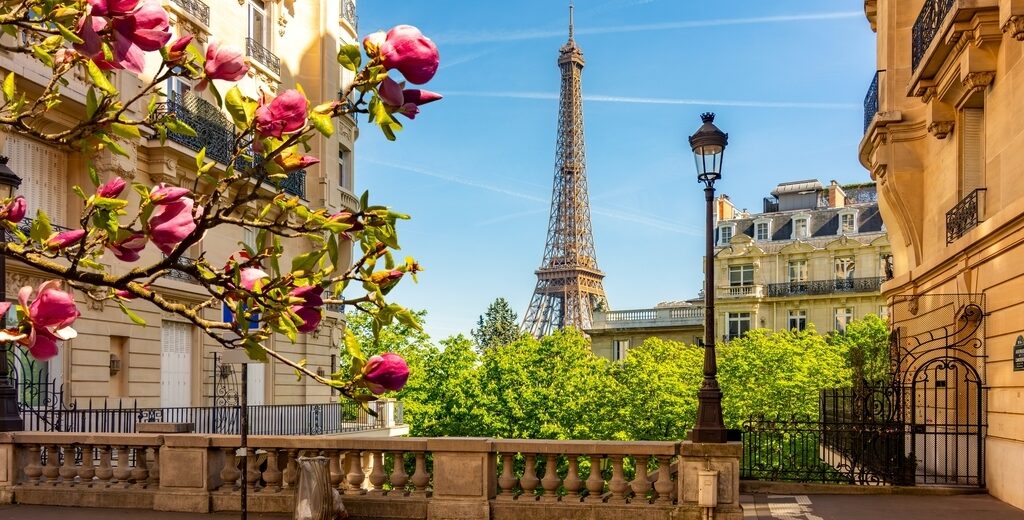
Elegance steps from the Eiffel Tower

Paris offers a wide range of hotels: luxury palaces with Eiffel Tower view suites, intimate boutique hotels on historic streets, practical budget options near Metro stations, and affordable stays in outer arrondissements. The city is divided into 20 arrondissements spiraling from the center, with the Seine River separating the Right Bank from the Left Bank. The Left Bank feels literary and classic around Saint Germain des Prés and the Latin Quarter, while the Right Bank includes the Louvre, Le Marais, Champs Élysées, and major shopping districts.
The 1st arrondissement is the heart of central Paris, placing you close to the Louvre Museum, Jardin des Tuileries, Palais Royal, Place Vendôme, the Seine River, and luxury shopping near Rue Saint-Honoré. It is one of the best locations for a first trip because many must see attractions are within walking distance.
Who it suits: This area suits first time visitors, art lovers, luxury travelers, and any world traveler who wants a central location near iconic attractions. Hotel Therese is a budget-friendly option in the 1st arrondissement, while grander choices include Le Meurice and Grand Hôtel du Palais-Royal.
Advantages: The great location makes it easy to spend more time exploring and less time commuting. You can take a short walk to the Venus de Milo inside the Louvre Museum, cross toward Notre Dame Cathedral and Notre Dame, or meet friends near the gardens before dinner. Grand Hôtel du Palais-Royal has suites with Eiffel Tower views, and Le Meurice provides rooms with views of the Eiffel Tower.
Considerations: Hotels in this area are among the highest priced in the city center. Crowds are common, nightlife is quieter than in Le Marais or Montmartre, and hotel rooms can be compact. Many historic buildings have charm, but some boutique hotel properties may have small elevators or no elevator at all.
Le Marais spans the 3rd and 4th arrondissements and combines medieval lanes, the historic Jewish quarter, Saint Paul, galleries, cafés, boutiques, the Picasso Museum, and easy access to the Seine River. It is one of the most popular neighborhoods for travelers who want atmosphere rather than only monuments.
Who it suits: Le Marais is ideal for culture lovers, foodies, LGBTQ+ travelers, young couples, and visitors who want a boutique hotel with personality.
Advantages: The neighborhood has excellent restaurants, strong public transport, beautiful architecture, and a lively weekend scene. Le Grand Mazarin features a stunning glass atrium winter garden, and Le Grand Mazarin features a pool for family enjoyment. Experimental Marais offers spacious rooms with vintage record players, giving the hotel a design-forward, local feel.
Considerations: Weekends can be crowded, and some shops or restaurants in the Jewish quarter close on Saturdays for Shabbat. Boutique hotels can be expensive for their room size. If you are sensitive to noise, request a higher floor or inner courtyard room.
The 7th arrondissement is elegant, residential, and famous for the iconic Eiffel Tower, Musée d’Orsay, Rodin Museum, embassies, and refined streets near the Seine River. The 7th arrondissement is home to the Eiffel Tower, making it one of the clearest choices for travelers who want a classic Paris view.
Who it suits: This area suits families, romantic couples, first time visitors who want the Eiffel Tower nearby, and travelers who prefer quieter evenings.
Advantages: You get iconic attractions, Seine River walks, strong museum access, and a polished neighborhood atmosphere. Many paris hotels offer rooms with a direct or partial Eiffel Tower view, but the exact floor, balcony, and orientation matter. Families also appreciate calmer streets compared with nightlife-heavy districts.
Considerations: The area is expensive, and the nightlife is limited. Some hotels advertise tower views that are only visible from certain hotel rooms, so read the room description carefully. A hotel can be near the Eiffel Tower but still require a short stroll to the nearest Metro station.
The 8th arrondissement is Paris at its grandest: Champs Élysées, Arc de Triomphe, Avenue Montaigne, Grand Palais, luxury shopping, major international hotels, and broad Haussmannian avenues. It is polished, high-profile, and convenient for business or fashion trips.
Who it suits: Stay here if you want luxury hotels, designer shopping, business-ready services, and classic Paris prestige. The area works well for travelers who plan dinners at a hotel’s restaurant, shopping on Avenue Montaigne, or drinks at places such as Le Bar Long.
Advantages: Transport links are excellent, and many main attractions are easy to reach by Metro, taxi, or a short walk. Top dining is a major strength: Le Bristol has a three Michelin-starred restaurant, Epicure; Four Seasons George V has three Michelin-starred restaurants; and Four Seasons George V is renowned for family-friendly services. Nearby luxury dining names such as Matsuhisa Paris and Il Carpaccio also appeal to food-focused travelers.
Considerations: This area is very touristy, dining can be expensive, and the busiest streets around the Champs Élysées and Arc de Triomphe may feel less intimate than Le Marais or Saint Germain des Prés. Hotels next to large transit hubs require extra vigilance due to pickpocketing, and busy avenues can mean traffic noise.
The 9th arrondissement mixes culture, shopping, and local life around Opéra, Grands Boulevards, Galeries Lafayette, Printemps, cafés, theaters, and side streets with more hotels at better prices than the 1st or 8th.
Who it suits: This is a strong choice for solo travelers, culture enthusiasts, budget-conscious visitors, and anyone who wants a central location without paying top luxury rates.
Advantages: The 9th gives you excellent Metro access, good restaurants, and an authentic Parisian atmosphere.
Considerations: The area is not as monument-heavy as the 1st or 7th, and some streets can be busy during rush hour. If you choose a hotel close to major stations, stay alert around crowds and luggage zones. Compare breakfast carefully because hotel morning buffets in Paris are often overpriced compared to local cafes.
Montmartre is the bohemian hilltop district known for Sacré-Cœur, cafés, artists, stairways, vintage shops, and sweeping views. Montmartre is known for its charming hillside views and a strong artistic atmosphere.
Who it suits: It suits artists, solo travelers, budget travelers, night owls, and visitors who prefer character over a central sightseeing base.
Advantages: Montmartre offers panoramic views, lively evenings, and a distinctive neighborhood feel. It can also be convenient for travelers interested in the Saint Ouen flea market, independent bars, or a rooftop bar experience. You can find budget hotels and more hotels with personality here than in the most polished central zones.
Considerations: Hills and stairs can be tiring with luggage, and travel to the Louvre Museum, Notre Dame Cathedral, or the Latin Quarter takes longer. Some streets are tourist-heavy near Sacré-Cœur. Choose carefully around Metro access, and remember that private parking is uncommon and often expensive in Paris hotels.
The best hotel deals are usually found in January, February, March, and November, excluding holidays and major events. Off-peak winter rates can be 30–50% lower, offering better value and larger rooms. April to October brings pleasant weather and longer days but higher prices, especially in June to August.
Major events like Paris Fashion Week, Roland-Garros, Bastille Day, and trade fairs cause sharp price increases. Book 4–6 months ahead for popular hotels, especially those with Eiffel Tower views or in central locations.
The 1st arrondissement is ideal for first-time visitors because it puts you near the Louvre Museum, Jardin des Tuileries, the Seine River, and many main attractions. Le Marais, the 7th arrondissement, and the 9th arrondissement are also excellent depending on whether you prefer atmosphere, Eiffel Tower proximity, or better value.
Hôtel La Comtesse offers Eiffel Tower balcony rooms. Le Meurice provides rooms with views of the Eiffel Tower. Hôtel Dame des Arts features a rooftop bar with Eiffel Tower views. Maison Mère offers rooms with views of the Eiffel Tower. Always book the exact view category, because “Eiffel Tower view” can depend on floor, balcony, angle, and building height.
Budget travelers can find hostels, cheap hotel rooms, and outer-arrondissement options from about €35–€100, though comfort varies. Mid-range travelers should often expect €150–€300 per night in good areas. Luxury hotels commonly start around €500 and can reach €1,500+ for Palace hotels, signature suites, and Eiffel Tower view rooms.
Specific budget examples include Hôtel Orchidée, which offers double rooms from £99/night, and Generator Paris, which is priced from £108/night. Hotel Therese is a budget-friendly option in the 1st arrondissement, Hôtel Caron de Beaumarchais offers budget pricing in the Marais, and Maison Mère in the 9th arrondissement is well-priced for local exploration.
No, most hotel staff in central Paris, especially in 3-star to 5-star hotels, speak English. Still, basic French phrases help with cafés, taxis, small shops, and requests at reception. It is useful to confirm details such as air conditioning, free wifi, room floor, breakfast area, and late check-in before arrival.
The RER B from Charles de Gaulle Airport is usually the most economical route, taking about 35–45 minutes to central Paris and costing around €11.80. Taxis have fixed fares: about €56 to the Left Bank and about €65 to the Right Bank. Rideshare and buses can also work, but traffic can make travel times unpredictable.
Yes, but choose carefully because rooms can be smaller than expected. Four Seasons George V is renowned for family-friendly services, Cheval Blanc Paris offers spacious suites ideal for families, Hôtel des Grands Voyageurs has connecting family rooms available, and Le Grand Mazarin features a pool for family enjoyment. Families should also consider proximity to parks such as Luxembourg Gardens, Jardin des Tuileries, and Jardin des Plantes.
Book several months ahead for spring, summer, Fashion Week, Roland-Garros, holidays, and major trade fairs. For the lowest rates, look at January–March and November outside holiday periods. For the best balance of weather and price, consider April–May or September–October, but book early because these are popular months for visiting Paris.