


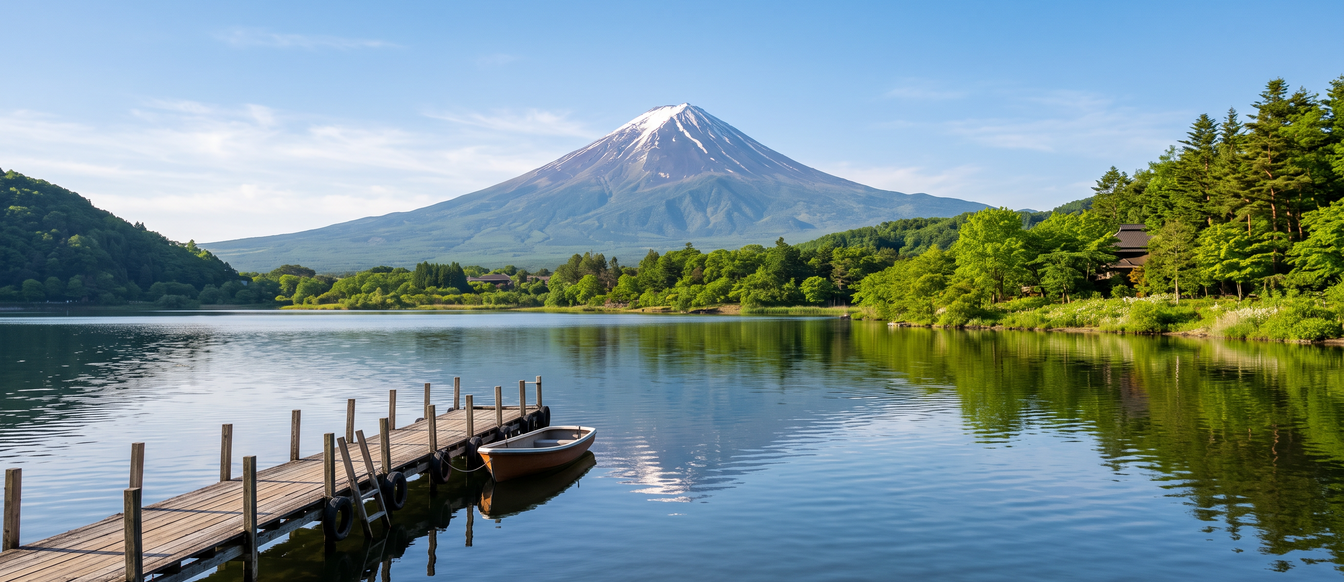
Quick answer: total Japan cost from the UK (7, 10 and 14 days)
Here are the numbers fast, before the deeper breakdown. All figures reflect 2026-2027 pricing based on a GBP-JPY exchange rate hovering around ¥210 per pound.
- 7-day Japan trip (budget): Budget travelers can spend around £970 to £1,200 for a week in Japan. This assumes hostels or budget business hotels, konbini meals, local trains and free or cheap attractions. The total cost for a 1-week trip ranges from £970 to £2,300 depending on style.
- 7-day trip (mid-range): Mid-range travelers can expect to spend £1,900 to £2,300 for a week. This covers a mid range business hotel, a mix of local restaurants and cafes, some bullet train travel and paid attractions.
- 10-day trip: Budget travellers land at £1,355–£1,800; mid-range travellers at £2,675–£3,500. Adding Kyoto or Osaka to a Tokyo base pushes up internal transport but also opens up cheaper accommodation options.
- 14-day trip: Budget £1,860–£2,500; mid-range £3,560–£5,000. The total cost for a 2-week trip ranges from £1,860 to £5,000. Premium trips to Japan can cost £2,800 to £4,500 or more for just a single week.
These price bands assume return flights from London to Tokyo, travelling in shoulder or off-peak months, and two people sharing a room. Costs include hotels, local transport, food, activities and small extras but exclude major shopping splurges. Later sections show how to tweak your daily budget depending on travel style, day trip choices and which major cities you visit.
Cheapest time to visit Japan from the UK (2026–2027)
Seasonality massively affects Japan cost. Flight costs, hotel costs and even some attraction pricing shift dramatically between peak festivals and quiet winter months. Traveling during peak seasons can increase costs significantly, so understanding the calendar is one of the best ways to save money.
- Peak seasons (most expensive): Late March–April (cherry blossom season), Golden Week (late April–early May), August Obon holidays and Christmas–New Year. During these windows, flights run 30–60% above baseline and hotels in Tokyo and Kyoto can surge 40–80% higher.
- Shoulder seasons (good balance): May and early June (before rainy season peaks) and early October through early November. Weather is pleasant, crowds moderate and prices sit between peak and off-peak. Ideal for many UK visitors who want decent weather without the premium.
- Off-peak (cheapest time to go): Mid-January through February and early December. Average return fares from London drop to £450–£600, and hotels can be 25–35% below annual average. You’ll miss cherry blossoms but gain smaller crowds, lower prices and atmospheric winter scenery.
- Booking window guidance: For peak season, book flights and hotels 6–9 months ahead. For shoulder months, 3–6 months is usually sufficient. Off-peak travellers can often find good deals with 2–3 months’ notice, though popular ryokan and boutique hotels still benefit from early booking.
Flight costs from the UK to Japan (2026–2027)
Flights are often the single largest line item in a Japan budget from the UK. Prices vary depending on your departure location, travel dates and how flexible you are with stopovers.
- Off-peak return fares (London–Tokyo): Typically £450–£600 when booked 3–5 months ahead. Booking flights well in advance can help reduce costs substantially.
- Average year-round return fares: £850–£1,000. During cherry blossom, Golden Week and autumn foliage, expect the higher end or above.
- London–Osaka (Kansai): Similar fare bands to Tokyo in off-peak windows. Flying into Tokyo and out of Osaka (multi-city) often costs the same as a simple return but saves time and internal transport costs on a multi-city itinerary.
- What affects prices: Booking window (3–6 months is the sweet spot), direct vs 1-stop routes (connecting via Helsinki, Doha or Istanbul is usually cheaper), weekday vs weekend departures, and airline choice. Japan Airlines and ANA offer direct services at a premium; Gulf and European carriers via hubs offer lower fares. Regional UK departure airports typically add £50–£200 over London prices.
- Finding lowest prices: Use “whole month” fare calendars on comparison sites to compare prices across your chosen travel dates. Flexible date searches can reveal savings of £100–£200 by shifting departure a few days. Third party sites and airline direct bookings both have merits: check both.
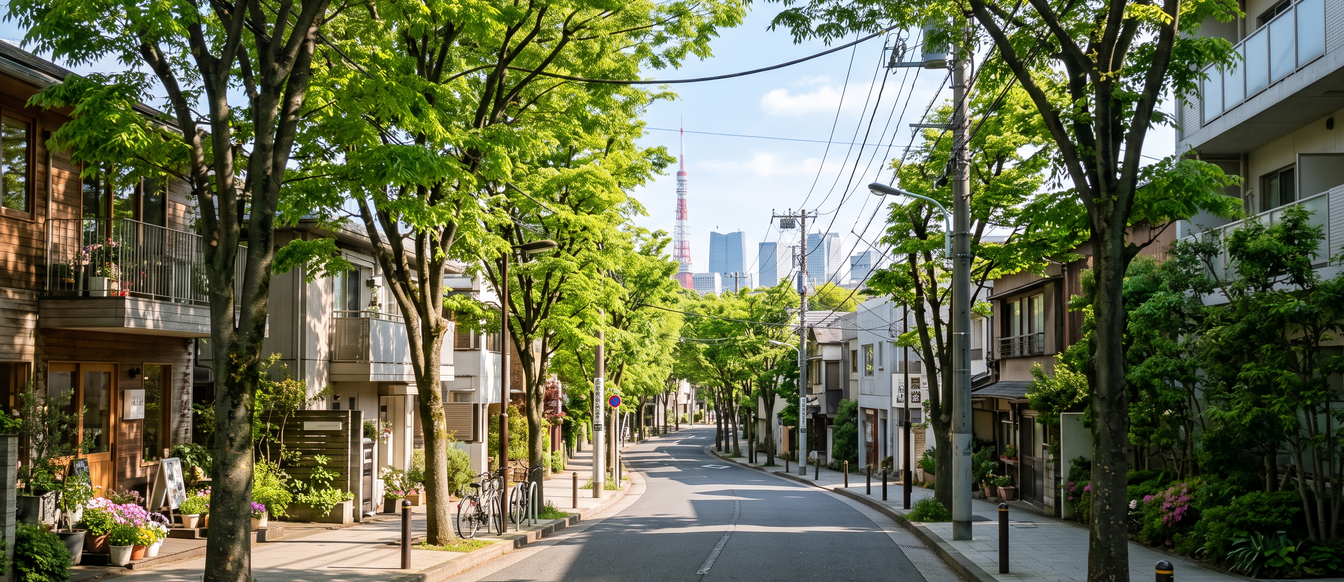
Average daily budget in Japan (budget vs mid-range vs comfort-plus)
Your Japan cost per day is driven mainly by accommodation and how often you take bullet trains or join guided tours. Average daily spending in Japan is about £80, but this varies wildly by style.
- Budget traveller: £50–£70/day
- Mid-range traveller: £120–£170/day
- Comfort-plus: £250–£350+/day
Couples and small groups sharing rooms reduce per-person hotel costs by 30–50% compared with solo travellers, especially in mid range hotels where twin/double rooms are the standard configuration.
Hotel costs in Japan (2026–2027) and top places to stay
Hotel costs vary significantly between Tokyo, Kyoto, Osaka and smaller cities, and early booking makes a real difference in price. As a general rule, Tokyo hotel prices in 2026 reflect the ranges below.
- Hostel (dorm bed) – Nightly Cost (GBP): £12–£25
- Capsule hotel – Nightly Cost (GBP): £15–£30
- Budget business hotel – Nightly Cost (GBP): £38–£71
- Mid range hotels (4★) – Nightly Cost (GBP): £85–£142
- Luxury hotels (5★) – Nightly Cost (GBP): £142–£377+
- Ryokan (with meals) – Nightly Cost (GBP): £150–£400+
- Japan’s consumption tax of 10% applies to hotel bills. Tokyo also charges an accommodation tax per person per night (¥100–¥200 depending on room rate), usually collected at checkout. Prices on booking sites are typically tax-inclusive but check the fine print.
- Traditional ryokan with dinner, breakfast and hot springs access usually cost more per night but also replace two meal costs, which changes your daily budget maths considerably.
- The next three sections name specific recommended hotels in Tokyo, Kyoto and Osaka across budget bands.
Top hotels to stay in Tokyo (by budget)
Tokyo offers a few good options at every price point. These picks are within walking distance of key train stations and well-suited for first-time visitors.
Budget options (£15–£40/night):
- Nine Hours Capsule Hotel (Shinjuku or Shin-Osaka branches): a clean, design-forward capsule hotel experience from around £20/night
- Khaosan Tokyo Kabuki (Asakusa): hostel with private room options from around £25–£35, close to Senso-ji and Skytree
Mid-range favourites (£60–£120/night):
- Hotel Gracery Shinjuku: famous for the Godzilla head on the terrace, centrally located above Shinjuku Station, rooms from around £80–£110/night. Views across the Tokyo skyline from upper floors
- Shibuya Excel Hotel Tokyu: directly above Shibuya Station, ideal for first-timers who want to be in the action, rooms typically £90–£130
- Tokyu Stay properties (multiple locations): popular hotel chain offering rooms with laundry facilities and small kitchenettes, great for stays of a week or longer, from around £65–£100
Higher-end and design hotels (£130–£250+/night):
- Park Hotel Tokyo (Shiodome): art-themed rooms, panoramic views, from around £140–£200
- The Gate Hotel Kaminarimon (Asakusa): rooftop terrace overlooking Senso-ji, rooms from £130–£180
Neighbourhood tips: Shinjuku and Shibuya offer the best transport links. Tokyo Station is ideal for bullet train connections. Asakusa gives a more traditional atmosphere at slightly lower prices. Staying in areas like Kinshicho or Ueno can shave 10–20% off nightly rates while keeping you on direct metro lines to central attractions. The Tokyo Metropolitan Government Building observatory is free and within walking distance of most Shinjuku hotels.

Top hotels to stay in Kyoto (by budget)
Kyoto hotel costs surge during cherry blossom season and autumn foliage, so your travel dates matter enormously here. Book accommodation early to secure better deals during peak windows.
Budget (£15–£35/night):
- Piece Hostel Kyoto (near Kyoto Station): modern design, kitchen access, laundry facilities and social common areas from ~£20/night
- Len Kyoto Kawaramachi (central Gion area): stylish hostel-café hybrid from ~£25/night
Mid-range (£60–£130/night):
- Hotel Granvia Kyoto: directly connected to Kyoto Station, making day trip planning effortless. Rooms from £80–£120
- Mitsui Garden Hotel Kyoto Shinmachi: quiet residential street location, Japanese-style breakfast option, from ~£90–£130
- Daiwa Roynet Hotel Kyoto (near Gion): a reliable hotel chain with modern rooms from £70–£100
Ryokan experience (£150–£350/night):
- Yuzuya Ryokan (Gion): tatami rooms, optional kaiseki dinner, private onsen-style baths. Half-board nights from around £200–£300, which includes a Japanese style breakfast and multi-course dinner. Factor this into your 10 or 14 day budget as a splurge night that also covers two meals.
Staying slightly outside the core (e.g. near Arashiyama or in quieter residential districts) reduces nightly prices by 15–25% but may add ¥300–¥500 in daily bus or train fares.
Top hotels to stay in Osaka (by budget)
Osaka often has better value hotel costs than Tokyo or Kyoto, making it an excellent base for budget travelers and food lovers. The street food scene around Dotonbori alone justifies a few nights here.
Budget (£20–£40/night):
- Toyoko Inn Osaka Namba: a budget friendly business hotel with free Japanese style breakfast, from ~£30/night
- Super Hotel Osaka Namba Nihonbashi: another solid budget hotel chain option with natural hot spring baths in the basement, from ~£28/night
Mid-range (£55–£110/night):
- Cross Hotel Osaka (Namba): stylish rooms, great central location near Dotonbori, from ~£70–£100
- Hotel Monterey Grasmere Osaka (connected to Namba Station): reliable rooms, good breakfast buffet, £60–£90
- Courtyard by Marriott Shin-Osaka: ideal if arriving by bullet train, rooms from £75–£110, suitable for couples or small groups
Higher-end (£120–£200/night):
- Conrad Osaka: river views and luxury amenities at prices still cheaper than comparable Tokyo luxury hotels
- InterContinental Osaka: panoramic city views, rooms from around £140
Using Osaka as a base for day trip excursions to Kyoto (30 minutes by train), Nara (45 minutes) and Kobe (20 minutes) can help optimise both hotel choice and your overall daily budget. Osaka Castle is an easy walk from several central hotels.
Other popular cities and ryokan stays (Hakone, Kanazawa, Hiroshima, sapporo)
Adding one or two regions beyond Tokyo-Kyoto-Osaka shapes the overall Japan cost, particularly if you stay in onsen towns with hot springs. Ryokans can cost £400 or more per night for premium properties, but mid-tier options with meals and baths start from around £120.
- Hakone/Kawaguchiko ryokan: Typical nightly ranges for ryokan with hot springs run £150–£350, including kaiseki dinner, breakfast and unlimited natural hot spring access. A Mount Fuji view room commands a premium.
- Hiroshima: Standard business hotels run £35–£60/night, significantly cheaper than Tokyo. A city well worth adding for its history and proximity to Miyajima Island.
- Kanazawa: Mid-range hotels £50–£80/night. Kenroku-en gardens charge just 310¥ for entry, making it a budget friendly cultural stop.
- Sapporo (Hokkaido): Business hotels from £40–£70/night. Best visited in winter for snow festivals or summer for its cooler climate.
- Smart mixing strategy: Spending more per night on one ryokan can be offset by cheaper business hotels on other nights. A sample 10-night pattern might look like: 7 nights in a business hotel + 2 nights in a ryokan + 1 night in a hostel. This keeps your average nightly spend moderate while giving you the full range of Japanese accommodation experiences.

Transportation in Japan: trains, bullet trains and local travel costs
Japanese transport is efficient, punctual and covers virtually everywhere you’d want to go. Understanding the difference between local trains, limited express services and the shinkansen (bullet train) is key for cost control.
- Local transport in cities: Single metro rides cost ¥200–¥400 (~£1–£2). Local transport in cities can cost between £6 and £12 per day for typical sightseeing. The Tokyo Metro and JR Yamanote loop line cover most major sights. Public transport costs about £1–£4 per trip.
- Shinkansen (bullet train): Example one-way fares: Tokyo–Kyoto ~¥13,850 (~£66), Tokyo–Osaka ~¥14,500 (~£69), Osaka–Hiroshima ~¥10,000 (~£48). Intercity shinkansen fares can range from £100 to £140 for round-trip tickets on popular routes. The Tokyo to Kyoto train ticket costs ¥13,850 (about £66).
- IC cards (Suica, Pasmo, ICOCA): These tap-in/tap-out cards simplify local travel across train stations, buses and even convenience stores and vending machines. Small ¥500 deposit required, then top up as needed. Budget ¥1,000–¥2,000 per top-up every few days. Local transportation costs approximately £10 to £25 per day depending on how much ground you cover.
- Key tip: Staying mostly in one region (e.g. Kansai) greatly reduces per-day transport costs compared with a “see all of Japan” itinerary loaded with long-distance bullet trains.
Japan rail pass and regional passes: still worth it?
The JR Pass price rises in 2023–2024 changed the value equation. A 7-day Japan Rail Pass costs about £256 (around ¥50,000) from UK agents. It’s no longer automatically the cheapest option, and the JR Pass may not save money for all itineraries.
- Current JR Pass prices:
- 7 days – Ordinary Car: ~£256 (~¥50,000); Green Car (First Class): ~£352 (~¥70,000)
- 14 days – Ordinary Car: ~£406 (~¥80,000); Green Car (First Class): ~£520 (~¥110,000)
- 21 days – Ordinary Car: ~£480 (~¥100,000); Green Car (First Class): ~£650+
- Worked example: A Tokyo→Kyoto→Osaka→Hiroshima loop by individual shinkansen tickets totals roughly ¥60,000–¥70,000. A 14-day rail pass at ¥80,000 covers this plus unlimited rides on JR local trains and some ferries, making it good value if you’re doing three or more long-distance legs.
- Regional passes: For travellers staying within Kansai (Kyoto, Osaka, Nara, Kobe), a JR West regional pass at ¥15,000–¥17,000 for several days can save money vs the national Japan rail pass. Sketch your major journeys and compare total single-ticket cost vs pass price before committing.
- Passes also offer non-monetary benefits: less queuing at ticket machines, flexibility to hop on trains spontaneously, and peace of mind for travellers uncomfortable navigating Japanese ticket-buying systems.
Car hire and car rental costs in Japan
Most first-time visitors don’t need car hire. Train travel covers the major cities efficiently. However, a rental car makes sense in rural areas, Hokkaido, Kyushu and for families exploring countryside regions.
- Daily car rental rates (2026-2027): Compact cars from ~£25–£40/day, midsize from ~£40–£60, hybrid vehicles slightly more. Fuel costs ~¥170/litre. Motorway tolls can add £20–£40/day on longer drives.
- UK drivers: You’ll need an International Driving Permit (available from the Post Office for ~£5.50). Use Google Maps or a rental GPS unit (usually ~£5–£8/day extra).
- When car hire saves money: A group of four exploring Hokkaido’s countryside or driving between hot springs towns can split costs to below £10/person/day for the vehicle alone. In the Tokyo–Kyoto corridor, trains are faster, cheaper and less stressful.
- Practical notes: Parking fees in cities run ¥1,000–¥3,000/day. Book ahead in peak seasons if you plan to self-drive to ski resorts or remote onsen towns.

Public transport passes and day tickets inside cities
Metro and bus day passes can be useful on heavy sightseeing days and help you predict your daily budget more accurately.
- Tokyo Subway Ticket: 24-hour (~£4.50), 48-hour (~£7.50) and 72-hour (~£10) passes covering Tokyo Metro and Toei Subway lines. Worth it if you’re making 4+ rides per day. A typical bus ride in Tokyo costs around ¥600 for unlimited rides on certain one-day passes. Buses are generally half the price of train tickets for similar routes.
- Kyoto Bus & Subway passes: Daily bus pass at ~¥700 covers most temple-hopping routes. Combined bus/subway passes available for multi-day use.
- Osaka Amazing Pass: ~¥2,800 for one day, includes transport plus free entry to several attractions and even free ice cream at selected spots. Good value on a dense sightseeing day.
- Decision rule: List your planned rides for the day, total the single-ticket fares, and compare to the pass price. Only buy passes for specific dense sightseeing days rather than your entire stay. On quieter days, pay-as-you-go with your IC card is usually cheaper.
Food and drink costs: how much to budget per day
Japan can be surprisingly affordable to eat in. Most meals cost less than ¥1,000, especially at lunchtime. The trick is mixing convenience stores, local restaurants and the occasional splurge rather than eating at tourist-focused establishments.
- Budget dining (£15–£30 per day): Convenience store meals range from ¥500 to ¥700 (~£2.50–£3.50 per meal). A morning onigiri and coffee from 7-Eleven or Lawson runs ¥400–¥500. Ramen typically costs around ¥1,000 per bowl. Standing soba shops, gyudon chains and curry houses all serve filling lunches for ¥500–¥900. Lunch specials typically cost £6–£11, cheaper than equivalent dinner options. Budget travelers often rely on supermarket bentos after 8pm discounts to keep food spend to around £15–£25 per day.
- Mid-range food (£30–£60 per day): Estimated daily expenses include £20 to £35 for food and drinks at a basic level, rising to £30–£60 for a mid range budget that includes at least one proper sit-down meal. Okonomiyaki is priced between ¥1,000 and ¥1,500. Conveyor belt sushi runs ¥1,000–¥2,000 for a satisfying meal. Street food in areas like Osaka’s Dotonbori adds variety without breaking the bank.
- Fine dining: A kaiseki meal can cost around ¥4,000 at entry level, rising significantly for Michelin-starred venues. Fine dining in Japan can cost £70 to £150 or more per day if you’re eating at high-end establishments.
- Drinks: Vending machines sell canned drinks for ¥100–¥160 (around 50p–80p). Beer in an izakaya typically runs ¥400–¥600. Specialty coffee from kissaten or third-wave cafes costs ¥400–¥700.
Activities, attractions and day trip costs
Many iconic sites in Japan are free or cheap, so activities are often a smaller part of your total Japan cost than flights or hotels. Many cultural sites are free or cost less than £5 to enter. Free attractions in Japan include many temples and parks.
- Temples, shrines and gardens: Many temples and shrines in Japan are free to visit, including Senso-ji in Tokyo and Fushimi Inari in Kyoto. Where fees apply, many attractions cost around £4 each. Entrance to the Golden Pavilion (Kinkaku-ji) in Kyoto is 300¥. Kenroku-en gardens in Kanazawa have a 310¥ entrance fee. The Imperial Palace gardens in Tokyo are free. There are many free attractions to explore across every city.
- Observation decks and museums: Tokyo Skytree ~¥2,100, teamLab exhibitions ~¥3,800, Ueno museums ~¥500–¥1,000. The Tokyo Metropolitan Government Building observation deck is free.
- Theme parks: Tokyo Disneyland/DisneySea tickets run ¥8,000–¥9,500 (~£40–£50), Universal Studios Japan in Osaka similar pricing plus optional Express Passes from ¥4,000+. Theme parks are among the biggest single-day expenses on most itineraries.
- Day trips: A Mount Fuji day trip from Tokyo costs ~¥10,000–¥15,000 including transport. A Hiroshima-Miyajima combination works well as an overnight or long day trip. The Snow Monkey Park charges 800¥ for entry and is accessible as a day trip from Tokyo or Nagano.
- Special experiences: Tea ceremony in Kyoto ~¥2,000–¥4,000. Osaka food tours ~£40–£70 per person. Kimono rental in Kyoto ~¥3,000–¥5,000 for a half day. Budget 1–2 of these across your trip to add depth without inflating costs.

Hot springs and onsen costs (public baths and ryokan)
Hot springs are central to Japanese culture, and most travellers should plan at least one onsen experience. Options range from public neighbourhood baths to luxury ryokan with private natural hot spring pools.
- Public onsen baths: Entry typically costs £3–£10 per visit (~¥600–¥2,000). Some budget hotels (like Super Hotel) include free hot spring baths for guests. Many towns also have free hot spring baths, particularly in onsen regions like Beppu and Kusatsu.
- Onsen ryokan pricing: The higher nightly rate (£150–£400) typically includes kaiseki dinner, breakfast and unlimited hot spring access. This means the “expensive” room actually replaces two meal costs and an activity cost, altering your daily budget calculation.
- Extra costs: Towel rental ~¥200–¥300, locker fees ~¥100, private family bath surcharges ~¥1,000–¥3,000 per session.
- Accessible options: Hakone is a 90-minute train ride from Tokyo. Arima Onsen near Kobe is an easy side trip from Osaka. An overnight onsen stay in Hakone with half-board and transport from Tokyo runs approximately £200–£350 per person in 2026-2027.
Connectivity, eSIMs and staying online
UK roaming in Japan can be expensive, so a local eSIM or pocket Wi-Fi is an essential part of your travel expenses.
- eSIM data packages: 5GB for 7 days from ~£8, 10GB for 14 days from ~£12–£18, 20GB plans from ~£20–£25. Significantly cheaper than UK provider roaming add-ons which can run £5–£8/day.
- Pocket Wi-Fi rental: ~£3–£5/day, picked up and returned at airports. Good for families or groups who want to share one connection instead of buying individual eSIMs.
- Why it matters: Connectivity is essential for Google Maps navigation, train timetable apps, restaurant research and real-time translation. The cost is tiny relative to total Japan cost but the practical value is enormous.
- Purchase or set up your eSIM before departure so you’re online the moment you land, avoiding airport kiosk queues and inflated last-minute pricing.
Insurance, money and other hidden or overlooked costs
Travel insurance, card fees and small services like luggage forwarding can add up. Including them in your overall budget prevents unwelcome surprises.
- Travel insurance: UK single-trip policies for 1–3 weeks in Japan typically cost £30–£70. Look for medical cover (minimum £1m for Japan), cancellation protection and gadget cover if carrying expensive camera gear.
- Bank fees: Many UK banks charge 2.5–3% on foreign transactions. Fee-free travel cards (Starling, Monzo, Wise) can save £50–£100 over a 10–14 day Japan trip. Japan’s ATMs in convenience stores (7-Eleven, Family Mart) accept most UK cards.
- Luggage forwarding (takuhaibin): Sending a suitcase between cities costs ~¥1,500–¥2,500 per bag (~£7–£12). This lets you travel light on bullet trains without wrestling luggage through train stations.
- Other small costs: Coin lockers at major stations ~¥600–¥800/day. Hotel laundry or coin laundromat ~¥300–¥800 per load. Temple stamps (goshuin) ~¥300–¥500 each. Kimono rental, purikura photo booths and arcade games add small but frequent costs. Build a £5–£10/day cushion for these.
- Plug adapter: Add about £5 for an adapter. Japan plug type is A or B, the flat 2-pin style used in the US, and the supply runs at 100V.

Sample 7-DAY, 10-DAY and 14-DAY budgets from the UK
These example budgets combine earlier numbers into realistic total trip cost scenarios. All assume two people sharing a room, travelling in shoulder or off-peak months, with minimal shopping.
7-Day Budget (Tokyo + Day Trip)
- Return flights – Budget Traveller: £500; Mid-Range Traveller: £750
- 6 hotel nights – Budget Traveller: £180 (£30/night); Mid-Range Traveller: £540 (£90/night)
- Food (7 days) – Budget Traveller: £140 (£20/day); Mid-Range Traveller: £280 (£40/day)
- Local transport – Budget Traveller: £60; Mid-Range Traveller: £120
- Activities – Budget Traveller: £40; Mid-Range Traveller: £150
- eSIM + insurance – Budget Traveller: £50; Mid-Range Traveller: £60
- Total per person – Budget Traveller: ~£970–£1,200; Mid-Range Traveller: ~£1,900–£2,300
So how much does a trip to Japan cost for 1 week? About £970–£1,200 per person on a budget and £1,900–£2,300 mid-range, flights included.
10-Day Budget (Tokyo + Kyoto + Osaka)
- Return flights – Budget Traveller: £550; Mid-Range Traveller: £850
- 9 hotel nights – Budget Traveller: £300 (£33/night); Mid-Range Traveller: £810 (£90/night)
- Food (10 days) – Budget Traveller: £200; Mid-Range Traveller: £400
- Transport (incl. bullet trains) – Budget Traveller: £180; Mid-Range Traveller: £350
- Activities – Budget Traveller: £70; Mid-Range Traveller: £200
- eSIM + insurance – Budget Traveller: £55; Mid-Range Traveller: £65
- Total per person – Budget Traveller: ~£1,355–£1,800; Mid-Range Traveller: ~£2,675–£3,500
14-Day Budget (Tokyo + Kyoto + Osaka + Hiroshima + Onsen)
- Return flights – Budget Traveller: £600; Mid-Range Traveller: £950
- 13 hotel nights (mix) – Budget Traveller: £450 (£35 avg); Mid-Range Traveller: £1,150 (£88 avg)
- Food (14 days) – Budget Traveller: £280; Mid-Range Traveller: £560
- Transport (JR Pass or tickets) – Budget Traveller: £350; Mid-Range Traveller: £500
- Activities – Budget Traveller: £100; Mid-Range Traveller: £300
- eSIM + insurance + misc – Budget Traveller: £80; Mid-Range Traveller: £100
- Total per person – Budget Traveller: ~£1,860–£2,500; Mid-Range Traveller: ~£3,560–£5,000
Adjust these budget breakdowns by adding or removing high-cost items like theme parks, luxury ryokan nights or extra long-distance bullet trains.
Money-saving tips for budget travelers in Japan
These strategies reduce your Japan cost without stripping away core experiences like temples, hot springs and local food.
- Travel off-peak: The cheapest time to visit Japan is mid-January through February. You’ll save 30–60% on both flights and hotels compared to cherry blossom or autumn peaks.
- Focus geographically: Staying in one or two regions instead of criss-crossing the country cuts transport costs dramatically. A Kansai-focused trip (Osaka, Kyoto, Nara, Kobe) needs no national rail pass and minimal shinkansen spending.
- Eat like a local: Convenience stores offer meals for £2.50–£3.50 that are genuinely good. Lunch sets at local restaurants are far cheaper than dinner. Standing sushi bars and ramen shops serve excellent food for under ¥1,000. Reserve restaurant splurges for 2–3 key nights.
- Use IC cards over taxis: Walking more in compact cities like Kyoto and Kanazawa cuts transport spend. Use targeted day passes only on dense sightseeing days.
- Lean on free attractions: Parks, viewpoints, shrines and the Imperial Palace gardens in Tokyo cost nothing. Balance 1–2 higher-priced days (theme parks, elaborate day trips) with several free-focused days to keep your mid range budget intact.
How your itinerary choices change the cost (solo, couples, families)
Travelling solo, as a couple, or as a family dramatically changes your per-person Japan cost, mainly through shared rooms and transport choices.
- Couples: A business hotel room split between two adults typically costs £20–£45 per person versus £40–£90 for a solo traveller in the same room. This alone can save £200–£400 over a 10-day trip.
- Families: Larger rooms or adjoining rooms increase hotel costs by 30–50%. However, children under 6 often travel free on trains, and many attractions offer child discounts. Self-catering apartments with kitchenettes can lower food budgets by £10–£15/day for a family of four.
- Location trade-offs: Hotels within walking distance of major stations cost more but save transport time and fares. Staying two stops out on a central location metro line often cuts nightly rates by 15–20% with minimal inconvenience.
- Example comparison (10-day trip): A solo traveller on a mid range budget might spend ~£3,500 total. A couple on the same route and style might spend ~£2,800 per person. A family of four with two children could manage ~£2,200 per person using apartments and family discounts. Plan your own trip around these dynamics.
Planning and booking timeline for a 2026–2027 Japan trip
Booking early is critical for keeping Japan cost reasonable, especially for peak seasons and popular hotels.
- 6–9 months ahead (peak) / 3–5 months (shoulder): Book plane tickets and lock in international flights. This is when flight costs are most volatile and savings are greatest. Compare prices across airlines and booking platforms.
- 4–6 months ahead: Reserve hotels for your core cities, especially in Tokyo and Kyoto where popular properties fill quickly. Book any must-do experiences: onsen ryokan, theme park tickets, special restaurant reservations.
- 2–3 months ahead: Purchase your Japan rail pass or book individual bullet train seats if not using a pass. Arrange eSIM or pocket Wi-Fi. Buy travel insurance (some policies require purchase before trip deposits are non-refundable).
- Ongoing: Keep a simple spreadsheet tracking committed costs and remaining daily budget. This links back to the budget breakdowns above and helps you stay on track.
- Priority order: Lock in the most volatile items (flights and special hotels) first. Fine-tune daily spend once the core itinerary and big costs are fixed. The vary depending nature of travel costs means flexibility in the small stuff creates room for splurges where they matter most.


